

Seizing the opportunity during the warranty period | Xinhong Heavy Industry overhauls the VLCC "Atlantis"
Release time:
2020-05-18
Source:
On May 17, the "Atlantis" vessel completed all renovation and repair work at Xinhong Heavy Industry, slowly departed from the dock, and embarked on a new journey.

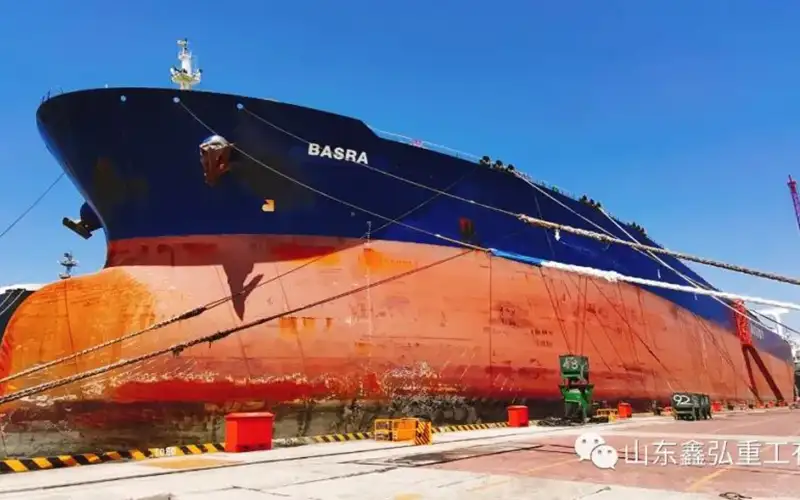
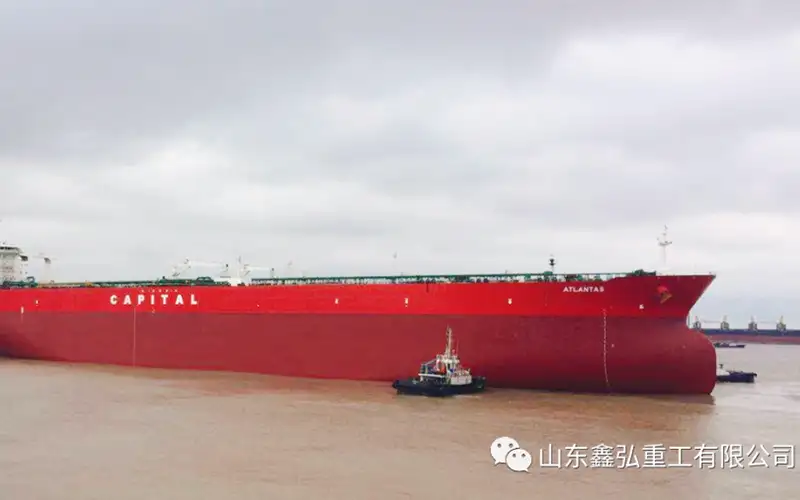
On May 17, the "Atlantis" vessel completed all renovation and repair work at Xinhong Heavy Industry and slowly sailed away from the dock, embarking on a new journey. The "Atlantis" is a very large crude carrier (VLCC) owned by the Greek CAPITAL shipping company and is the first VLCC repaired by Xinhong Heavy Industry this year. Recently, due to the booming tanker market and high rental prices, the shipowner requested the installation of the ballast water system, dock work, and the main modification of the desulfurization system to be completed within a month. In response to this project, the company took multiple measures and faced challenges head-on, striving to meet the shipowner's requirements. Not only did they successfully complete the routine dock repair and ballast water modification work, but they also finished all desulfurization work ahead of schedule.
Testing, facing challenges to determine the plan
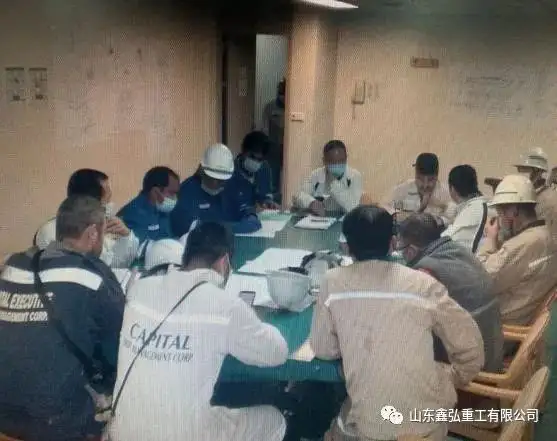
The main engineering work for the repair of the "Atlantis" includes routine dock repair, installation of the desulfurization tower (POT), and installation of the ballast water system. On April 5, the production department received information about the vessel entering the factory and obtained permission from the shipowner to proceed with prefabrication, with only about 10 days for preparation. The timeline was tight, the tasks were heavy, and the risks were high. Therefore, the project team from the production department worked closely with the preparation team, design institute, and other departments to communicate technical processes, material preparation, construction plans, and other related issues with the on-site engineering team. They utilized their professional knowledge to discuss various problems encountered during the production process with the shipowner and engineering team, proposing professional solutions and meticulously planning from technical, quality, safety, and schedule preparation aspects. After patient communication and professional verification, they selected the optimal plan to improve efficiency.
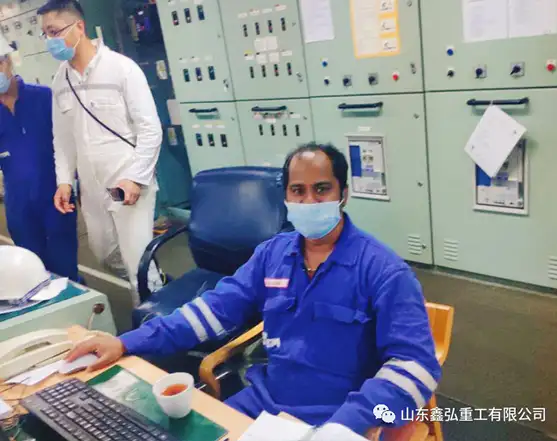
First, each workshop took proactive measures: on one hand, they selected experienced subcontractors with expertise in desulfurization and ballast water projects, investing sufficient manpower; on the other hand, they conducted intensive training on relevant details to solidify the foundation, ramping up efforts, and carried out continuous day-and-night prefabrication of pipelines to ensure continuity of the project after entering the factory. Secondly, the project team from the production department developed a rigorous and detailed overall plan, controlling major milestones and refining every engineering link, implementing a 24-hour construction standard to ensure proper execution. During the construction of the "Atlantis", the management team conducted daily planning implementation and task breakdown, strictly executing the repair work according to the plan.
Breakthrough, optimizing processes to tackle difficulties
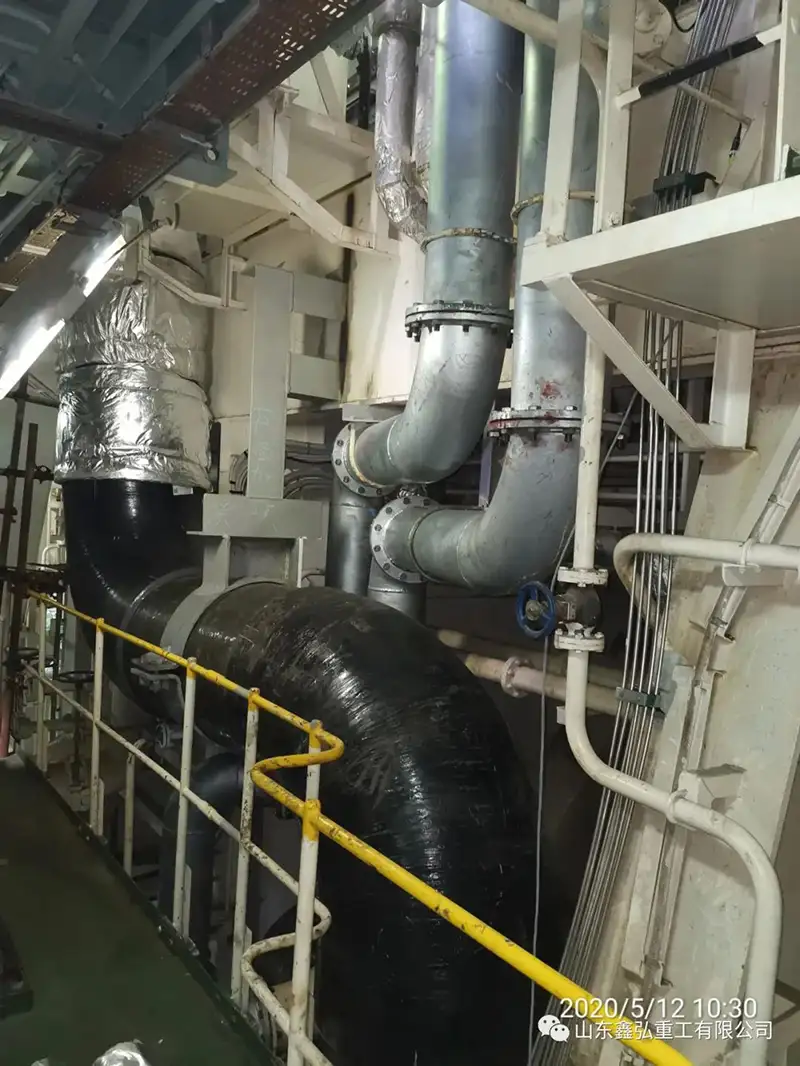
For this desulfurization and ballast water system installation, the project team had limited knowledge of the ballast water data for the "Atlantis". After the vessel arrived at the factory, they found that the design of the alloy pipes and stainless steel pipes in the ballast water room did not meet the requirements of the equipment manufacturer. The project team members brainstormed and engaged in detailed technical exchanges with the service provider, revising the drawings for the alloy and stainless steel pipes and adding modifications for the sealing components to ensure that this critical node proceeded smoothly as planned.
During on-site construction, due to the issues of design compatibility and limited space, many pipelines interfered with the original ship's pipelines. The position of the GRE and the seawater pump on the left side of the engine room was affected during the ballast water project construction because a small part of the living area platform extended over the top of the pump room, preventing the door crane from lifting. Additionally, the pump room's small lifting capacity could not meet production needs. The project team brainstormed, conducted on-site inspections, and used a 15T truck crane for deck operations to lift the pipelines, significantly improving the construction efficiency of the pump room.
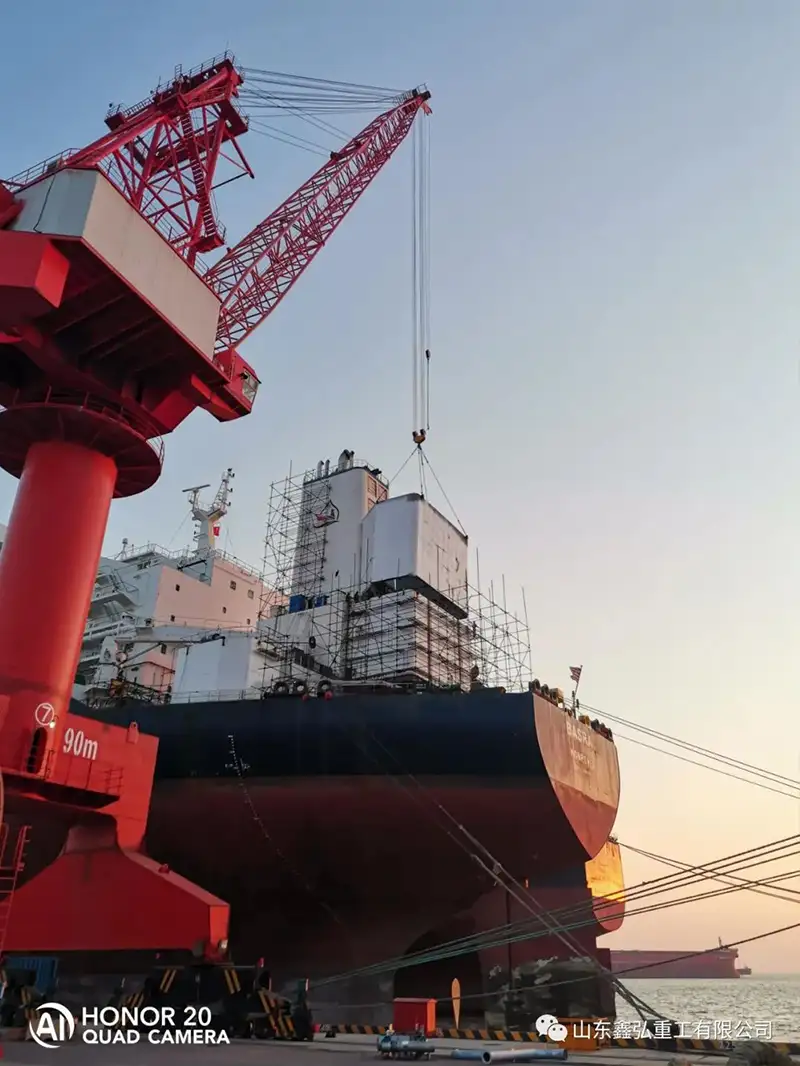
The installation of four segments of the desulfurization system chimneys was completed in just 14 days (during which there were 2 days of strong winds affecting the lifting); the coordination of various trades was implemented according to the overall plan, executed effectively, with seamless cooperation among the hull, copper work, painting, and cleaning, achieving first-time success and effectively shortening the repair cycle.
Strict control, ensuring safety and quality throughout
Strictly implement safety management regulations for cleaning oil tankers and oil cargo holds. Assign dedicated personnel for continuous, effective, and thorough ventilation and daily maintenance of the cargo oil holds; prevent oil spills when opening the access doors, especially prohibiting open flames in the surrounding area, particularly at heights, and maintaining good ventilation; ventilate first, then test for explosions, and finally proceed with operations, with personnel entering the holds wearing gas masks; keep the boarding ladder clean to prevent slipping due to oil stains.
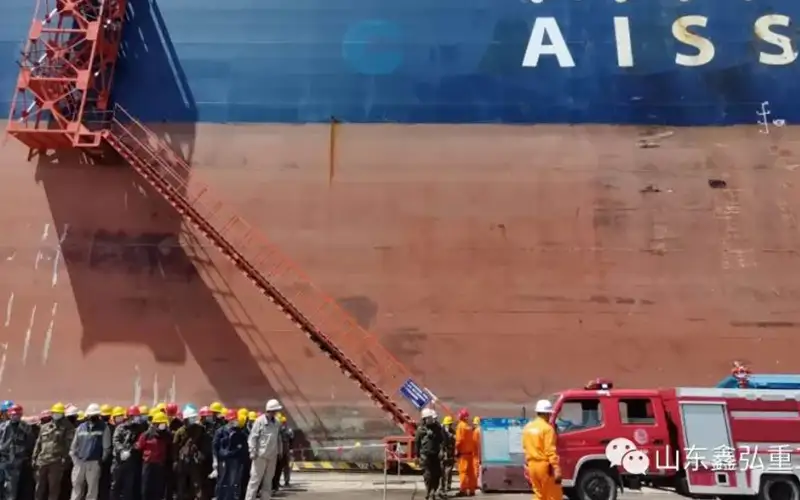
Safety control for tanker repairs has been comprehensively strengthened. The safety department and the ship's side jointly organized fire emergency evacuation drills. There are many points of three-dimensional cross-operation, especially in the pump room and chimney areas. The safety department increased the number of fire watchers, and the safety supervisor conducted dynamic tracking of all hot work points daily, confirming whether the environment and personnel qualifications met hot work conditions before approval. During construction, they checked the 5S standards, alternating day and night. Every morning, a VSCC meeting was held to communicate and resolve production, safety, quality, and progress issues during the repair process with the ship's side. Attention to detail was emphasized; in addition to meeting the requirements of the repair process specifications, the project team actively communicated with the ship's supervision team and on-site engineering team to meet the ship's requirements as much as possible, proactively preventing quality risks. Despite the tight schedule, quality control received recognition from the ship's side; the completion rate for pre-welding inspections and post-welding inspections for related pipelines and segments exceeded 95%.
Other News
To build a modern shipbuilding enterprise
Please contact us, we will provide you with satisfactory products and become a trusted supplier and service provider in the industry.
Contact Us
Tel:
+86-631-796-3808
Email:
business@unidrydocks.com
business@tjxh-international.com
Add:
Renhe Town, Rongcheng, Weihai City, Shandong Province, China
WeChat Public Number